
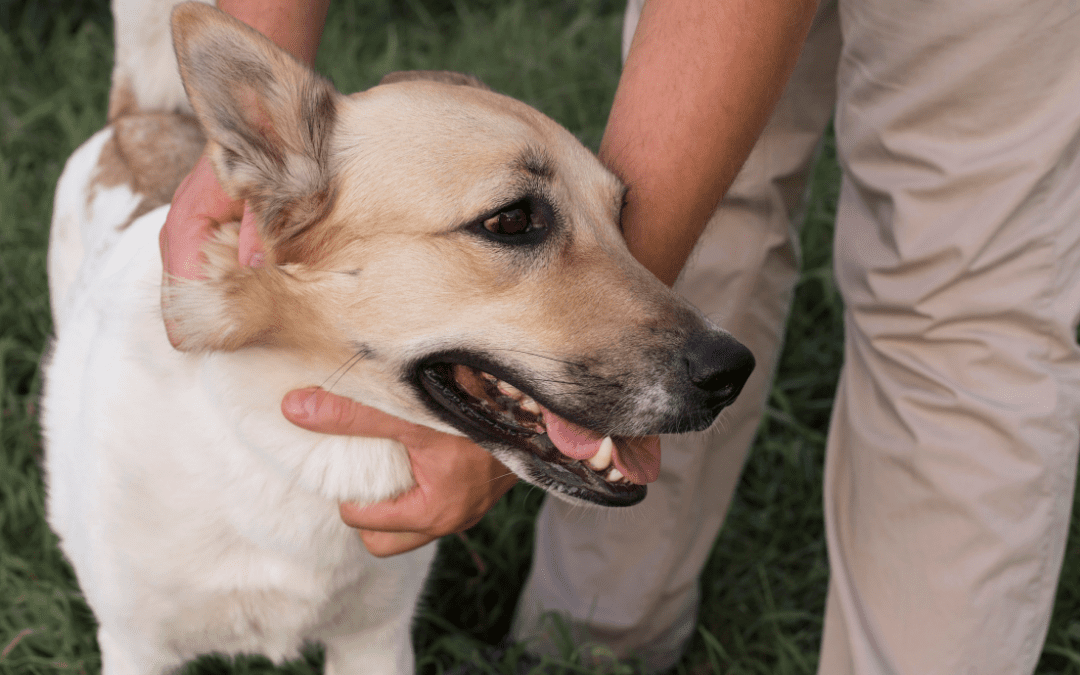
Many pet owners still think of Lyme disease as a “Northeast” problem, but tick risk has changed here in Ohio.
A recent OSU study found that nearly 50% of black-legged ticks tested in Ohio carried the bacteria that causes Lyme disease. Black-legged tick populations are also growing in Ohio, partly because warmer winters allow more ticks to survive and stay active longer. This means that the risk for Lyme Disease here in Ohio is now equal to the risk in Lyme, Connecticut where it originated!
Where can dogs be exposed to ticks?
Tick exposure does not only happen during camping trips or hikes in the woods. Dogs can pick up ticks in many everyday places, including:
- Local parks like Highbanks Metro Park and Glacier Ridge Metro Park
- Walking trails
- Tall grass
- Leaf litter
- Wooded areas
- Neighborhood green spaces
- Your own backyard
Ticks can be active any time temperatures are above freezing, which means prevention matters beyond just the summer months, as we have plenty of winter days above 32 degrees.
What are the symptoms of Lyme disease in dogs?
Dogs may not show signs right away – they can take weeks or months to appear after a tick bite. When symptoms do appear, they may include:
- Fever
- Tiredness or low energy
- Decreased appetite
- Swollen lymph nodes
- Joint pain or stiffness
- Limping, sometimes shifting from one leg to another In some cases, Lyme disease can lead to serious complications, including kidney disease.
How is Lyme disease treated in dogs?
Dogs who become sick from Lyme disease are usually treated with antibiotics – standard protocol is a full month of Doxycycline to start. Some dogs may also need pain relief, follow-up testing, or monitoring for kidney concerns.
Treatment can help, but prevention is still the best approach.
How can I protect my dog from Lyme disease?
The best protection is layered:
- Monthly flea and tick prevention.
- Annual Lyme vaccine.
- Daily tick checks.
This is the first and most important step. Reliable monthly prevention helps kill or repel ticks before they can transmit disease.
Because no prevention is perfect, the Lyme vaccine can be an important second layer of protection for dogs at risk.
After time outside, check the ears, face, neck, collar area, armpits, belly, groin, tail base, and between the toes. Ticks can feel like a tiny bump or scab.
Daily tick checks help protect your whole family, too. Dogs can carry ticks indoors, where they may later bite people — and there is currently no Lyme vaccine available for humans.
Does my dog need the Lyme vaccine?
The Lyme vaccine may be recommended based on your dog’s lifestyle, outdoor exposure, and local risk. If your dog spends time outdoors, visits parks or trails, lives near wooded or grassy areas, or travels with you, it is worth discussing Lyme vaccination with your veterinarian.