

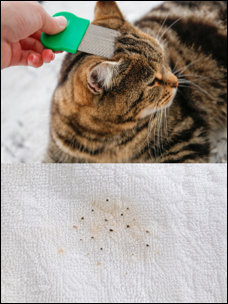
How Can Indoor Cats Get Fleas?
Indoor cats can get fleas in several ways, including:
- Dogs or other pets bringing fleas inside
- Fleas hitching a ride on shoes, clothing, or bags
- Visiting pets or pet sitters
- Trips to the veterinarian, groomer, boarding facility, or another home
- Rodents or wildlife near windows, doors, garages, or basements
Once fleas get into the home, they can multiply quickly. Even a small exposure can turn into a frustrating infestation.
Can Indoor Cats Get Ticks?
Yes, although it is less common than flea exposure. Ticks can be carried indoors by dogs, people, clothing, or outdoor items. If your cat spends time on a screened porch, near open windows, in a garage, or around a household dog, their risk may be higher.
Ticks are more than just unpleasant. They can carry diseases that affect pets and people, so prevention and regular checks are important.
Why Flea and Tick Prevention Matters for Cats
Parasites can cause more than itching. Fleas and ticks may lead to:
- Skin irritation and hair loss
- Flea allergy dermatitis
- Tapeworm exposure
- Anemia in severe flea infestations
- Tick-borne disease risk
- Parasites spreading to other pets and people in the home
For many cats, prevention is much easier, safer, and less stressful than treating an infestation after it starts.
Is Flea and Tick Prevention Safe for Cats?
The most important thing is to use a product that is made specifically for cats and recommended by your veterinarian.
Never use a dog flea and tick product on a cat unless your veterinarian has specifically instructed you to do so. Some ingredients that are safe for dogs can be dangerous or even toxic to cats.
Your veterinarian can help choose the safest option based on your cat’s age, weight, health history, lifestyle, and household risk.

Did you know? One of the most common hosts of ticks that carry Lyme Disease is the White-Footed Mouse.
Should My Indoor Cat Be on Prevention Year-Round?
For many cats, year-round prevention is the best choice. Fleas can survive indoors, and Ohio weather can be unpredictable, which means parasite risk is not limited to the warmest months. In fact, we often see an increase in flea infestations in the winter, as fleas move indoors.
If you are not sure whether your indoor cat needs flea and tick prevention, we are happy to help you decide what makes the most sense for your cat and your household.
Local Cat Care in Dublin, Powell, and Delaware County
At Animal Hospital of Shawnee Hills, we know every cat is different. Whether your cat is strictly indoors, spends time on a screened porch, or lives with a dog who goes outside, our team can help you choose safe, effective parasite prevention for your cat’s lifestyle.
Have questions about flea and tick prevention for your indoor cat? Give us a call, text or email to talk with our team!